|
News
MAKE AN APPOINTMENT
|
The UK’s Cosmetic Boom and the Negligence Risks Behind It
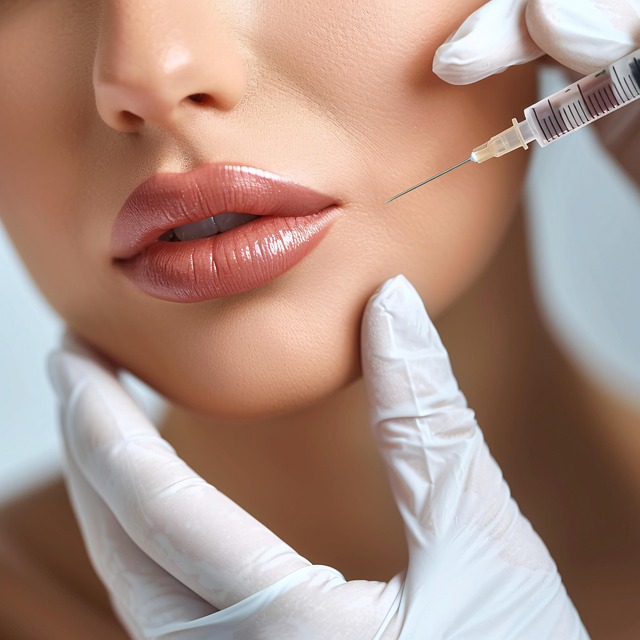
The beauty and aesthetics industry in the UK has transformed dramatically in the past decade. Treatments that were once reserved for celebrities or the wealthy—such as Botox, facelifts, and cosmetic fillers—are now widely accessible and increasingly popular among both women and men. From hair transplants to “Turkey teeth”, cosmetic enhancement has certainly entered the mainstream.
But behind the glamour and glossy marketing and social-media hype lies a more troubling reality now thankfully getting more attention: a growing number of people are experiencing avoidable harm due to substandard cosmetic treatment.
A Rapidly Expanding—and Under-Regulated—Industry
Trips abroad for cosmetic surgery have become commonplace, and UK clinics offering minimally invasive procedures have surged in number. Today, there are an estimated 4,000 beauty clinics across the UK, carrying out nearly 900,000 cosmetic procedures in 2024 alone.
However, despite this explosive growth, the industry remains highly fragmented and poorly regulated. Unlike traditional medical settings staffed by regulated professionals, many aesthetic procedures can legally be performed by individuals with minimal or inconsistent training. This lack of oversight creates a breeding ground for:
-
Unsafe practices
-
Inadequate aftercare
-
Use of unregulated or counterfeit products
-
Poor infection control
-
Misleading advertising or consent processes
The rise of online purchasing—particularly of injectables or DIY cosmetic kits—adds further risk to an already vulnerable area.
Clinical Negligence in the Cosmetic Industry
In 2024/25, the UK recorded just over 16,000 clinical negligence claims, but it remains extremely difficult to determine how many relate specifically to cosmetic procedures. The industry’s fragmented nature, coupled with varying levels of practitioner regulation, means many patients do not even realise they may have grounds to bring a clinical negligence claim.
Cases involving cosmetic negligence often relate to:
-
Botched fillers or Botox
-
Poorly performed liposuction
-
Failed or disfiguring facelifts
-
Hair transplant complications
-
Cosmetic dentistry errors (e.g., veneer or implant failures)
-
Burns from laser treatments
-
Infections caused by poor hygiene or aftercare
-
Inadequate consent or failure to warn of risks
With serious injury—and in some cases life-changing consequences—becoming more visible in media headlines, pressure is mounting on the government to introduce tighter, more meaningful regulation.
Calls for Stronger UK Regulation Are Growing
Medical and legal professionals, patient-safety campaigners, and the public have increasingly demanded reform. Although the UK Government has begun to take steps towards regulating non-surgical cosmetic procedures, progress is slow, and inconsistent standards remain a major concern.
Until comprehensive regulation is in place, raising awareness of the risks is essential. Many individuals’ seeking cosmetic enhancement are unaware that they may be placing their health in the hands of unqualified or unregulated practitioners.
What to Do If You Suspect Cosmetic or Clinical Negligence
If you suffer unexpected complications or believe that your cosmetic treatment has caused avoidable harm, you may have grounds for a clinical negligence claim. This could include compensation for:
-
Physical injury or disfigurement
-
Psychological distress
-
Corrective treatment costs
-
Lost earnings
-
Ongoing care or rehabilitation
It is vital to seek legal advice as early as possible, especially in the fast-moving cosmetic market where providers may be unregulated, difficult to trace, or operating without proper insurance.
How Dale & Newbery Can Help
At Dale & Newbery, we have extensive experience supporting clients through the full range of medical and clinical negligence cases, including those arising from cosmetic procedures. We understand how emotionally challenging these situations can be—and how overwhelming it may feel to take action against a practitioner.
Our specialist solicitors can:
-
Assess whether the treatment you received fell below expected standards
-
Obtain expert medical evidence
-
Support you through complaints and regulatory processes
-
Pursue compensation for your injuries and losses
-
Guide you with compassion, clarity, and practical advice
If you have concerns about a cosmetic procedure, or any other form of clinical negligence, we’re here to help you understand your options, contact us today.
Latest News
More than half of adults unaware that marriage deems previous Wills invalid
Latest Tweets
SRA Badge
Complaints Procedure
CYBERCRIME ALERT – We will never notify you by email that our bank account details have been changed. If you receive an email purporting to be from Dale & Newbery, either requesting your bank account details or advising you that our bank details have changed in any way, you should before taking any action, telephone (do not email) and speak to the person dealing with your matter to check the validity of the email. We cannot accept any responsibility if you transfer money into an incorrect account and will not be responsible for any losses arising from fraudulent emails/transactions.